
Many collectors are starting to feel that purchasing luxury watches has become increasingly unstable. Prices of several models are moving unpredictably, availability shifts every quarter, and global economic conditions introduce new uncertainties to the market. Some owners have begun releasing their collections to maintain liquidity, while high-net-worth buyers are strengthening their focus on assets considered safer.
This time, Luxehouze highlights the most relevant trends based on primary-market movements, evolving buyer behavior, and international trade policies that influence distribution flow.
Table of Contents
Toggle1. Consolidation Toward Iconic Steel Models
Stainless-steel icons from top maisons are expected to remain in the spotlight. The market continues to show strong consistency for sport-steel collections from Rolex, Patek Philippe, and Audemars Piguet. These models stay in demand not only because of scarcity, but because their global demand remains stable across markets. Amid economic pressure, upper-tier buyers position these watches as a value-preserving instrument.
Collectors are expected to seek elegant sport designs with high durability and a proven value trajectory, making purchase decisions more calculated in a shifting market landscape.
2. The Rebound of the Mid-Tier Segment Undergoing Price Adjustments
2026 highlights renewed attention on watches in the mid-tier price range. Inflationary pressure in several regions is prompting some owners to let go of pieces such as Panerai, Breitling, and other contemporary models to maintain liquidity. This can temporarily soften prices, but the intrinsic quality of many models remains strong, creating a strategic window for collectors seeking long-term value.
3. Pre-Owned Rising as the Most Competitive Channel
The pre-owned market has shown exceptional resilience since 2025. With U.S. import duties restricting the flow of new units, more buyers are expected to shift to the secondary market in 2026. Europe and Asia are predicted to lead growth due to more stable availability compared to the U.S.
This expansion also makes collectors far more selective. The focus shifts to pieces in excellent condition with clear service history and complete accessories. This dynamic strengthens the position of sport-steel and limited-edition models, whose demand remains consistently high and liquid.
4. A Return to Traditional Craftsmanship and Classical Complications
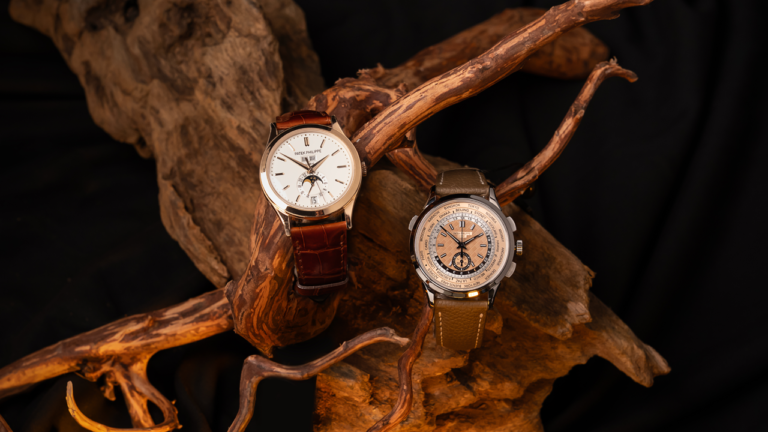
Affluent consumers continue to show deep interest in classical complications such as perpetual calendars, tourbillons, and world-time mechanisms. Demand for high-complication mechanical watches remains strong, particularly from maisons like Audemars Piguet and Patek Philippe. Global collectors view this category as both cultural continuity and a long-term asset, making it less influenced by seasonal trends.
5. More Refined Designs for Female Collectors
The women’s luxury watch category shows steady expansion. Brands are increasingly pushing more proportional diameters, slimmer profiles, and modern materials designed for comfort. This shift strengthens preferences for 28-34 mm diameters, updated two-tone palettes, and simple complications that highlight finishing details and everyday wearability.
6. Gold Watches Strengthened by Precious Metal Trends
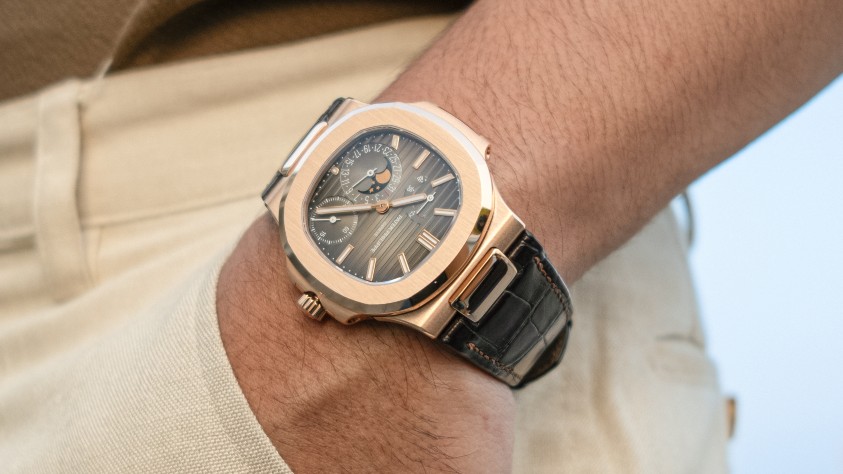
Global gold prices are expected to remain high through 2026, reinforcing the value floor for gold watches. Collectors are paying closer attention to dress watches with fine finishing and classic case shapes, which balance aesthetics with value stability. Sport-gold models also remain sought after due to their strong liquidity in the secondary market.
7. Digital Distribution and Official CPO Channels Becoming Key Decision Drivers
As digital retail evolves, brands are adapting their product-presentation strategies. Virtual boutiques, tech-enabled authentication, and official Certified Pre-Owned (CPO) platforms allow buyers to make more precise decisions. High-end consumers prioritize efficient yet trustworthy purchasing experiences, increasing demand for pieces with complete documentation and verified provenance.
8. Limited Editions and Artistic Collaborations Continue to Dominate the Uniqueness Segment
Limited editions with fixed production numbers, collaborations with artists or designers, and boutique-only releases remain highly desirable among collectors seeking distinction. Demand is particularly strong in Asia Pacific and North America, two regions with the fastest-growing HNWI populations and a strong appetite for pieces with compelling stories.
Shifts in economic dynamics, trade policies, and the growth of the pre-owned ecosystem make 2026 a highly selective year for luxury watch buyers. Collectors are no longer chasing quantity; instead, they rely on careful curation: prioritizing models with stable demand, strong quality, and proven long-term value.