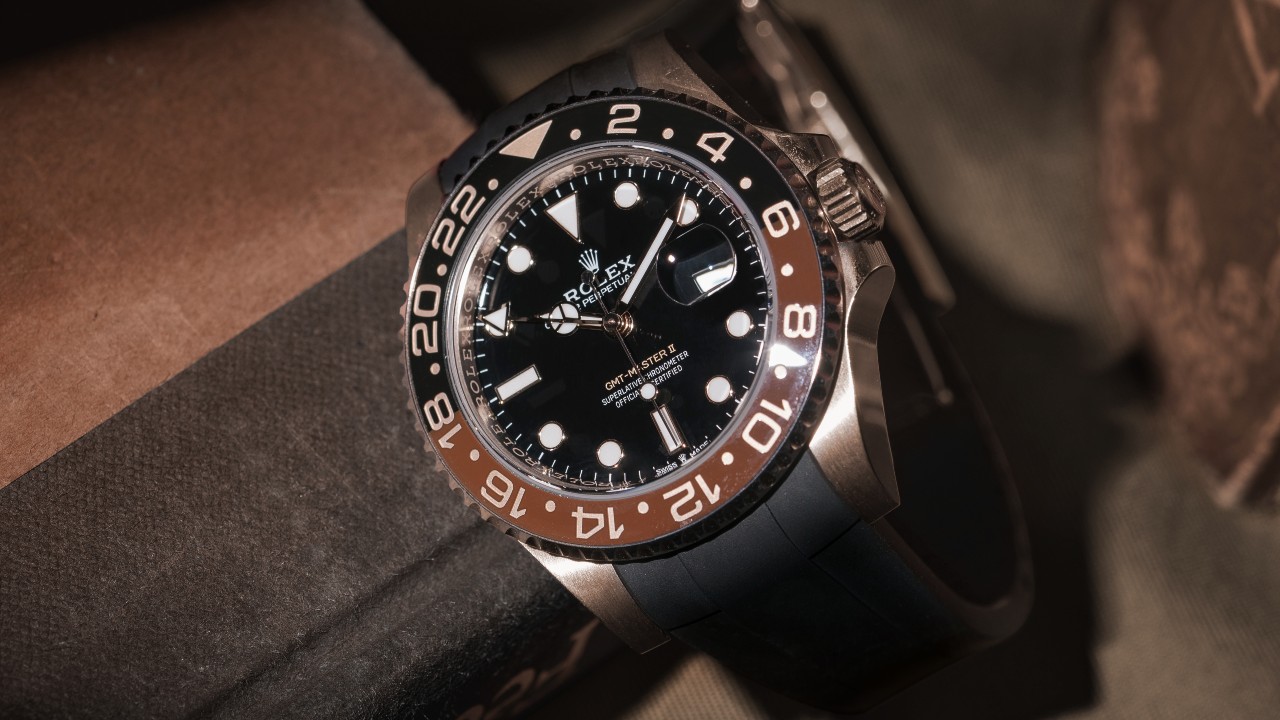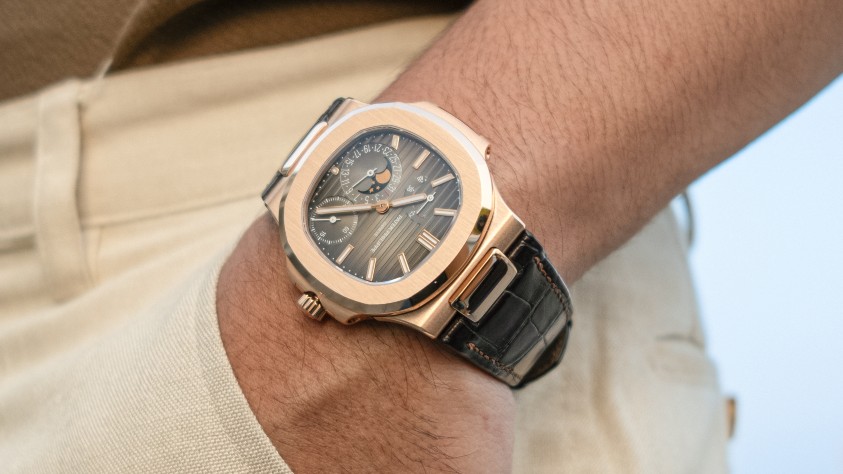

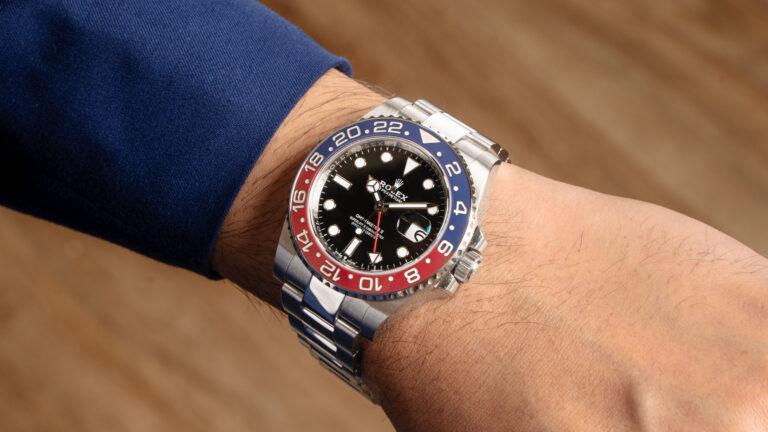
When it comes to Patek Philippe vs Rolex, the debate goes far beyond simple price tags or brand prestige.
These two titans of Swiss watchmaking represent distinctly different philosophies, one rooted in centuries-old craftsmanship and heritage, the other in precision engineering and modern luxury.
For collectors and newcomers alike, comparing them becomes less about which brand is “better” and more about understanding what each one stands for. So which one deserves a place on your wrist or in your investment portfolio? Let’s dive deeper.
Table of Contents
ToggleUnderstanding the Brand History of Patek Philippe vs Rolex
Understanding the brand history of Patek Philippe vs Rolex is like tracing two parallel stories that shaped the very idea of luxury timekeeping.
Patek Philippe’s tale begins in 1839, in a small Geneva workshop where watchmaking was treated as an art form rather than an industry. Each piece was crafted slowly, meticulously, and often for the world’s most influential figures, from royalty to celebrated collectors.
Over the decades, the brand became known not just for its breathtaking complications but for the philosophy behind them: a Patek isn’t merely owned. It’s inherited, carrying stories from one generation to the next.
Rolex’s story, however, unfolds with a very different energy. Founded in 1905, Rolex wasn’t born in quiet ateliers but in the midst of an era hungry for innovation.
The brand embraced ambition, engineering, and adventure, developing the first waterproof Oyster case, creating the Perpetual rotor, and sending watches up mountains and down to ocean depths.
Read more: Audemars Piguet Royal Oak vs. Patek Philippe Nautilus: A Comprehensive Comparison
Design and Aesthetics Comparison
When comparing the design and aesthetics of Patek Philippe vs Rolex, you’re essentially looking at two contrasting interpretations of luxury.
Patek Philippe leans toward elegance rooted in tradition, clean lines, refined proportions, and understated dials that speak softly but with unmistakable sophistication.
Many of its designs, such as the Calatrava or the Grand Complications, feel timeless rather than trendy, created to look as relevant in 50 years as they do today.
Rolex, in contrast, embraces a bolder, more contemporary visual identity. Its watches are instantly recognizable: robust cases, purposeful bezels, and sporty silhouettes designed for visibility and impact.
Models like the Submariner, GMT-Master II, and Day-Date carry a sense of confidence that borders on iconic pieces that don’t just complement an outfit but complete it.
While Patek leans toward classic artistry, Rolex offers functional aesthetics with a modern edge, giving each brand a look that distinctly reflects its personality.
Materials, Workmanship, and Long-Term Worth
Patek Philippe is known for its use of precious metals, traditional techniques, and hand-finished components that often take months to perfect. Its materials serve as a canvas for craftsmanship, subtle, refined, and intentionally timeless.
Rolex approaches materials with a more technical, performance-driven philosophy. The brand famously created Oystersteel, its own corrosion-resistant alloy, and produces its gold in-house to ensure durability and color consistency.
Rolex watches are engineered to withstand real-world wear, saltwater, altitude, daily knocks, without compromising visual appeal.
These contrasting philosophies naturally influence long-term worth. Patek Philippe often appreciates due to scarcity, artisanal complexity, and strong collector demand.
Rolex, meanwhile, maintains exceptional resale value thanks to global brand recognition, liquidity, and the reliability of its designs.
In the end, Patek offers long-term worth rooted in exclusivity and craftsmanship, while Rolex delivers value through enduring demand and unmatched durability.
Patek Philippe Signature Models
Below are three of Patek’s most defining models, each representing a unique dimension of what makes the brand so revered.
1. Nautilus
Often described as the king of luxury sports watches, the Nautilus embodies Patek Philippe’s ability to merge casual style with high horology.
Designed by the legendary Gérald Genta in 1976, it introduced a distinctive porthole-inspired case, horizontal embossed dial, and integrated bracelet, features that broke away from the traditional dress-watch image associated with Patek.
Its refined yet sporty aesthetic quickly became a symbol of understated affluence, appealing to collectors who appreciated elegance without excess.
Over the years, the Nautilus has evolved with complications like annual calendars, moon phases, and dual time zones, but its core design remains largely unchanged.
2. Aquanaut
Introduced in 1997, the Aquanaut carries a more contemporary, youthful energy compared to the Nautilus. Its rounded octagonal case, “grenade” pattern dial, and tropical rubber strap give it a sportier, more modern personality, one that appeals to a new generation of collectors.
While still distinctly Patek, the Aquanaut feels more relaxed and adventurous, designed for those who appreciate the brand’s heritage but prefer something less formal.
Inside, the Patek Philippe Aquanaut is powered by the same meticulous engineering found in Patek’s more traditional offerings, featuring finely finished automatic movements and excellent water resistance.
3. Calatrava
The Calatrava is the purest expression of Patek Philippe’s philosophy of timeless elegance. Launched in 1932, it set the benchmark for the modern dress watch with its minimalist Bauhaus-inspired design, slim profile, and emphasis on perfect symmetry.
Unlike flashier models, the Calatrava speaks through quiet refinement, clean dials, polished cases, and subtle markers that never go out of style.
Inside, the Calatrava continues to showcase Patek’s dedication to traditional watchmaking, often housing hand-finished manual or automatic movements visible through sapphire casebacks. It is the kind of watch that transcends trends and generations, often chosen as a family heirloom.
Rolex Signature Models
Below are three of the brand’s most defining creations, each representing a chapter in Rolex’s ongoing story of innovation and timeless design.
1. Submariner
The Rolex Submariner is perhaps the most famous dive watch ever created, a legend born in 1953 and still setting the standard today.
Its design is both functional and iconic: a rotating bezel, luminous markers, and a robust Oyster case that made it a trusted companion for divers and explorers.
Beyond its technical prowess, the Submariner has transcended its tool-watch origins to become a cultural icon. From Hollywood films to boardroom meetings, it blends seamlessly into any environment.
Read more: Rolex Submariner or Omega Seamaster: A Complete Comparison
2. Daytona
The Rolex Cosmograph Daytona carries a spirit of speed, precision, and high performance. Introduced in 1963 and designed for professional racers, it features a tachymeter bezel, three chronograph subdials, and a layout optimized for legibility when every second counts.
Over time, the Daytona evolved from a motorsport instrument into one of the most coveted luxury watches in the world, especially with the legendary “Paul Newman” variants that sent collectors into a frenzy.
Today, the Daytona continues to represent the pinnacle of Rolex craftsmanship, housing highly accurate in-house chronograph movements and maintaining a sleek, balanced aesthetic.
3. Datejust
Launched in 1945, Rolex Datejust was the first automatic chronometer wristwatch to feature a date window that changes instantaneously at midnight, a groundbreaking innovation at the time.
Its design, often paired with the iconic Jubilee bracelet and Cyclops lens, strikes a perfect balance between classic charm and modern practicality.
What makes the Datejust truly enduring is its versatility. Available in multiple sizes, materials, and dial styles, it adapts effortlessly to different tastes and lifestyles.
In the end, comparing Patek Philippe vs Rolex reveals two extraordinary but distinctly different expressions of Swiss watchmaking.
Patek Philippe offers heritage, artistry, and heirloom-worthy pieces rooted in centuries of tradition, while Rolex delivers durability, precision, and iconic designs built for real-world performance.
Whether you’re drawn to the refined elegance of Patek Philippe or the bold reliability of Rolex, every piece at Luxehouze is 100% authentic and competitively priced.
If you’re ready to discover the perfect timepiece, visit Luxehouze and experience luxury watch shopping at its finest!